I Stopped Trusting AI-Generated Code. Here's What I Check First
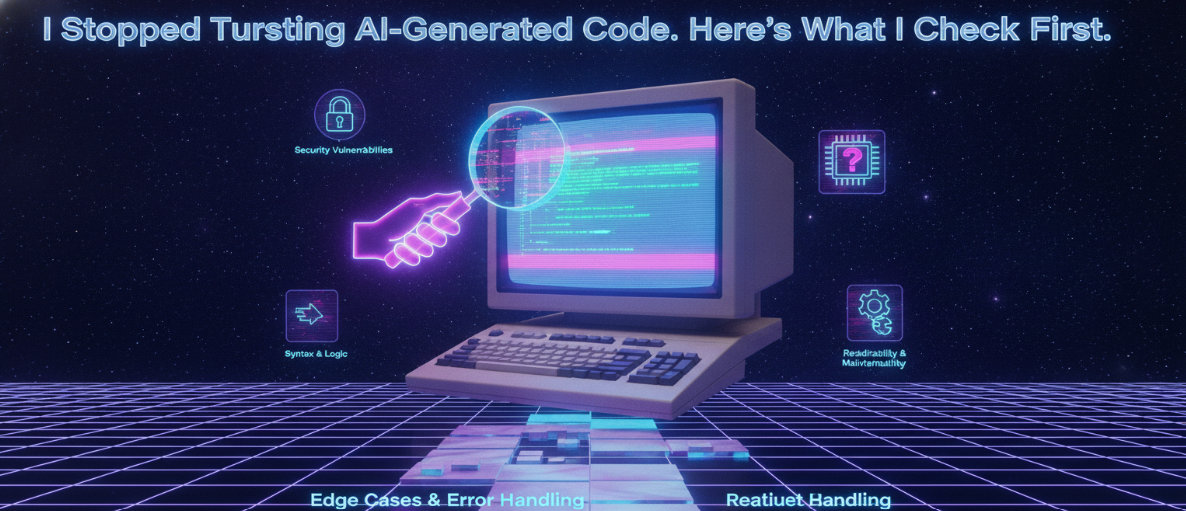
AI coding tools can generate working code in seconds. The syntax looks clean, the logic seems reasonable, and everything appears ready to ship. But looking correct doesn't mean the code is reliable.
A successful AI-generated code review goes beyond checking whether the code runs. It means finding hidden security risks, missed edge cases, and assumptions that could break in production.
So, before trusting AI-written code, what should developers actually check? Here are five things worth reviewing before the next merge.
Why I Don't Blindly Trust AI-Generated Code
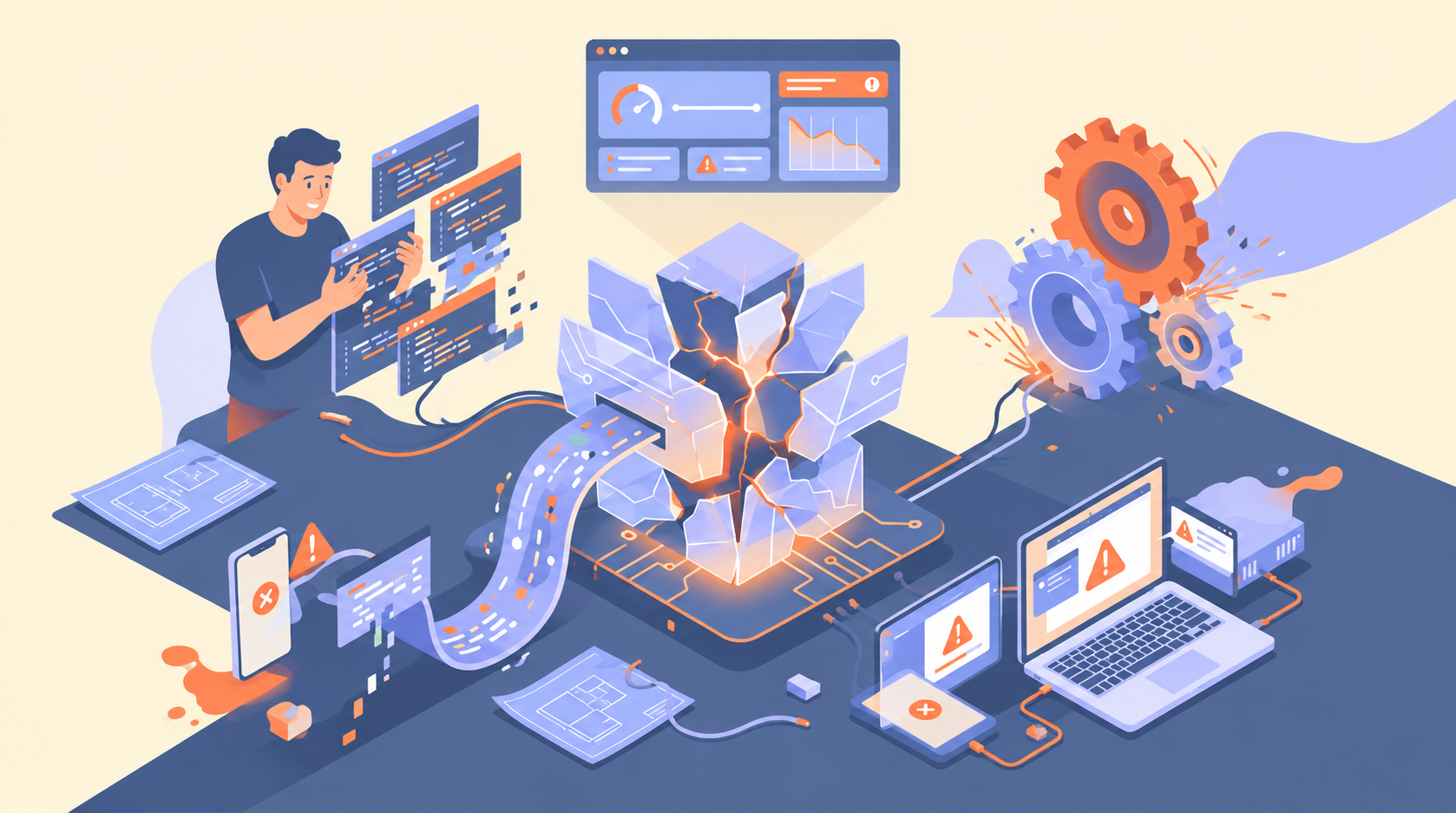
AI can write a function that passes basic tests while still missing critical details. It might assume every API response contains valid data, overlook user permissions, or introduce unnecessary dependencies.
The problem isn't always bad syntax. It's that AI doesn't automatically understand every business rule, security requirement, or production constraint.
These common AI coding mistakes can slip through when developers accept suggestions without questioning the logic.
That's why I treat AI-generated code as a first draft, not a finished solution. Whether building complex applications or implementing SaaS SEO features, AI can accelerate development, but correctness still needs evidence.
5 Things I Check Before Trusting AI-Generated Code
A reliable AI-generated code review starts with questioning what the code does, not just whether it runs. Here's how to review AI-generated code before approving a pull request.
1. Does the Code Actually Solve the Problem?
First, I compare the generated logic against the original requirements. AI might produce a working function while misunderstanding the expected output or ignoring an important business rule.
2. Are There Hidden Security Risks?
I check input validation, authentication, authorization, and sensitive data handling. AI-generated code security risks can include SQL injection, exposed credentials, or endpoints that allow unauthorized access.
3. What Happens With Unexpected Inputs?
Clean examples don't reflect every production scenario. I test null values, empty arrays, invalid parameters, and unexpected API responses to see whether the code fails safely.
4. Do the Tests Cover More Than the Happy Path?
Passing one test doesn't prove reliability. I look for meaningful assertions, failure scenarios, and edge-case coverage. AI-generated tests can repeat the same incorrect assumptions as the implementation.
5. Can Another Developer Maintain This Code?
Finally, I review readability, unnecessary dependencies, duplicated logic, and overall complexity. Code that works today shouldn't become tomorrow's debugging nightmare.
These five checks help separate convincing AI output from code that's actually ready for review and deployment. They also raise a bigger question: Is Stack Overflow Dead? As developers increasingly rely on AI-generated answers, community knowledge and human verification remain essential for writing reliable code.
A Real Code Example: What AI Might Miss
Imagine an AI coding assistant generates this Node.js endpoint to fetch a user profile:
app.get('/users/:id', async (req, res) => {
  const user = await db.users.findById(req.params.id);
  res.json(user);
});
The code looks simple and functional. But there's a serious problem: anyone who can access this endpoint could potentially retrieve another user's data.
A safer approach checks authentication and authorization:
app.get('/users/:id', requireAuth, async (req, res) => {
  if (req.user.id !== req.params.id) {
    return res.sendStatus(403);
  }

  const user = await db.users.findById(req.params.id);
  if (!user) return res.sendStatus(404);

  res.json(user);
});
This illustrative example assumes requireAuth securely authenticates requests and that returning the full user record is appropriate. In production, sensitive fields should also be excluded.
That's why understanding how to verify AI-generated code matters more than whether it simply executes. The same principle applies when exploring What Is User Experience? because reliable code should not only function correctly but also deliver a secure, seamless, and intuitive experience for users.
My AI Code Review Checklist Before Every Merge
Before approving AI-generated code, I use a simple AI code review checklist to catch problems that basic testing might miss.
- Correctness: Does the logic match the actual requirements?
- Security: Are authentication, authorization, and input validation handled?
- Edge cases: What happens with invalid, missing, or unexpected data?
- Testing: Do tests cover failures, not just successful execution?
- Dependencies: Are new packages necessary, maintained, and secure?
- Maintainability: Can another developer understand and modify the code? This checklist doesn't guarantee bug-free software, but it makes reviewing AI-generated changes more consistent and helps prevent avoidable production issues.
AI Makes Coding Faster. Reviewing Makes It Reliable.
AI coding assistants can speed up development, but faster code generation doesn't guarantee better software. The real value comes from combining AI's productivity with human judgment, testing, and careful review.
A consistent AI-generated code review process helps developers catch problems early without slowing down every change.
AI can suggest the solution, but developers remain responsible for making sure it works safely in production.
What's the most convincing bug you've discovered in AI-generated code? Share your experience in the comments.
About the author
- At Synfinity Dynamics, we help businesses unlock growth with secure fintech development, high-performance web & mobile apps, and scalable digital solutions built for the future.
Comments
Join the discussionNo comments yet. Be the first to comment.